

'Skills Olympics' is a metaphor for Britain's managed decline
Skills competitions sort out the wheat from the chaff when it comes to countries considered global productivity leaders. Sadly, the UK organisers can't even make gold.

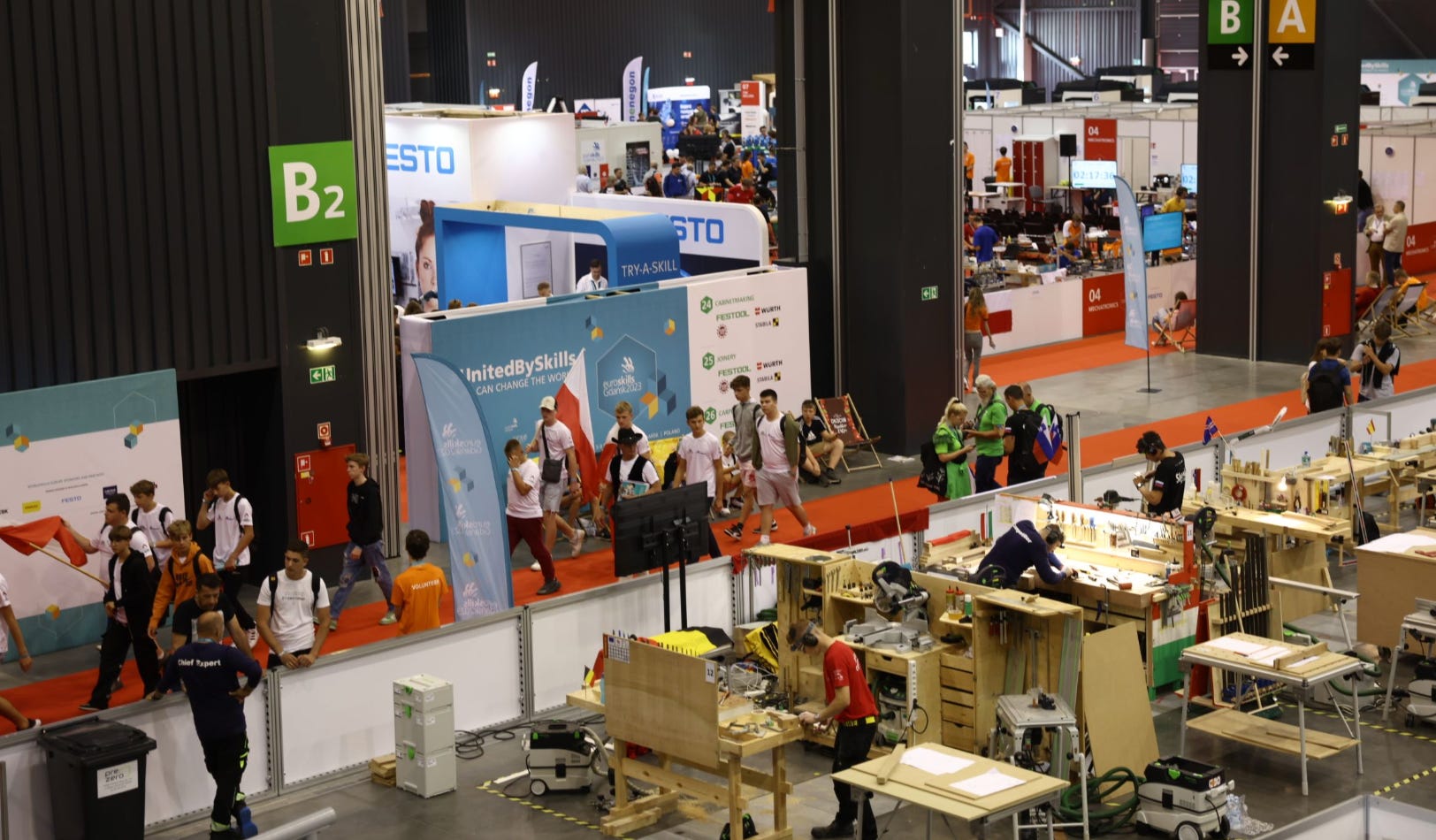
Not many people have heard of EuroSkills or WorldSkills: regular global competitions that pit a country’s technical education students and apprentices against one another.
I’ve visited several of these international competitions over the years, and they are awe-inspiring. Seeing young carpenters, graphic designers, hairdressers, landscape gardeners, computer coders and cabinetmakers compete head-to-head is almost as captivating as watching elite athletes run a 100-metre sprint.
Yet, in many ways, the medal ceremonies that take place at the end of these events are more important than the sporting Olympiad that dominates our TV screens every four years.
That’s because these skills competitions, based on global competency-based standards, are a proxy for the quality and efficacy of vocational education and employer skills training in each member country.
In Denmark, the UK recently crashed to joint 15th place in EuroSkills, according to the final medal tally table (see Figure 1). It was a poor performance that attracted little comment in the mainstream media.
Monarchs and Prime Ministers congratulated their citizens on social media; the best the UK could offer was at the departmental level via the Secretary of State for Education.
The owner of a specialist media title and a trustee of WorldSkills UK, Shane Mann, did attempt a post-mortem, writing:
The government regularly talks about its ambition to fix the UK’s productivity problem. If so, then WorldSkills UK should be part of the solution; bringing together government, education and industry in a way few other organisations can.
Worryingly, the Skills Minister, Baroness Jacqui Smith, who attended the event in Herning, declined to make any public comment regarding the British competitors’ worst medal performance since EuroSkills first adopted this format of the event in 2016 at Gothenburg.
WorldSkills UK's best recent performance at the European level was in Budapest (2018), where the UK team came in 9th place.
Meanwhile, France, Germany, and Austria—famous for their high-quality youth apprenticeship programs—consistently emerge as the top performers.
The UK’s skills performance stands in stark contrast to the England Lionesses’ triumphant Euros football tournament, which saw them win for a second time in Switzerland this summer [pictured].
Where’s the outrage?
A direct comparison with global sports is a valid one. Following the 1996 Atlanta Olympic Games, when Team GB returned with just a single gold medal, there was widespread media consternation and a backlash among political elites.
How could Great Britain, the inventor of so many modern games, be so humbled on the world stage?
Figure 1. Final medal position of teams competing in EuroSkills 2025, Herning, Denmark
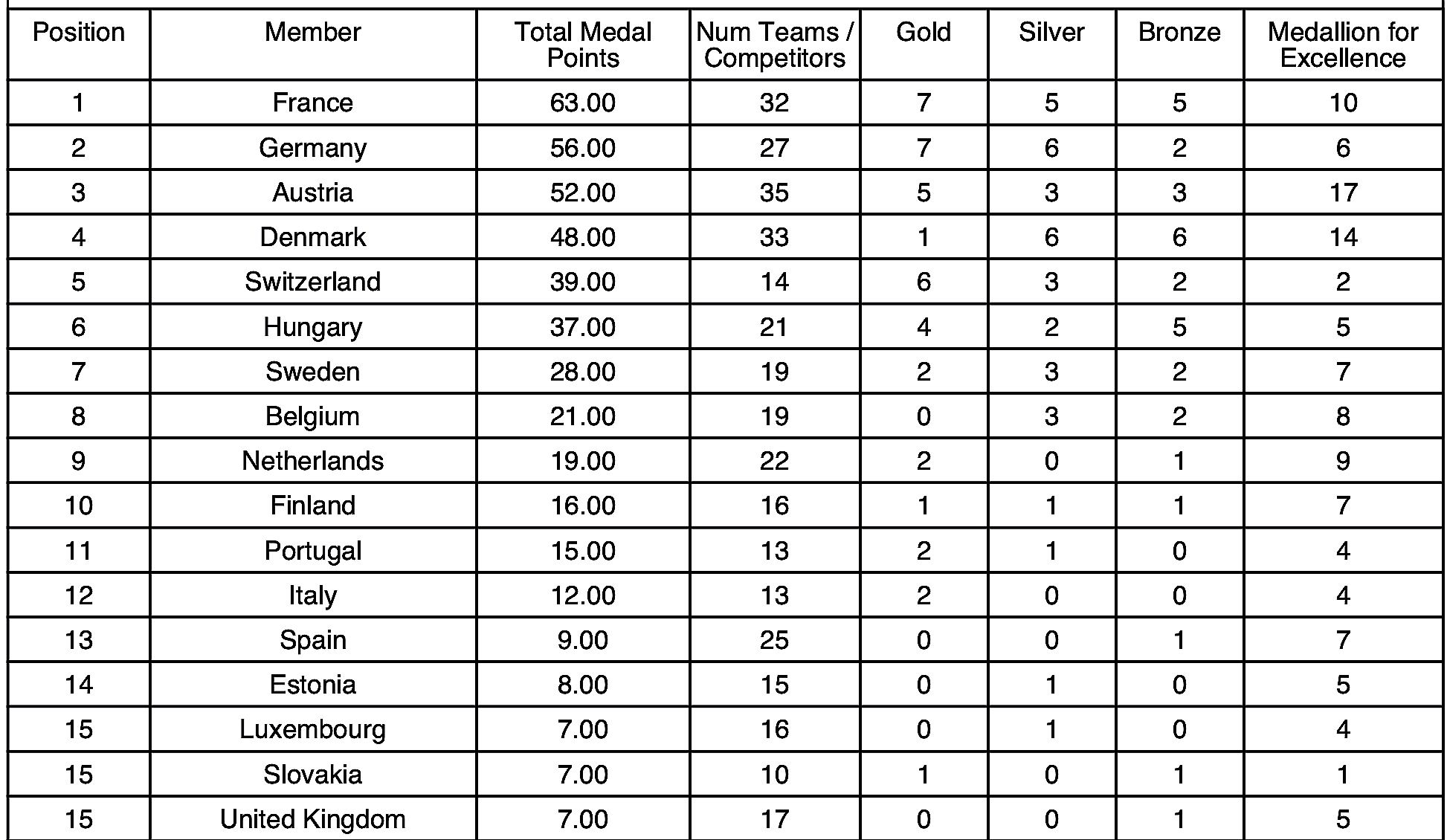
Source: EuroSkills, click here for full table results.
The tabloid press went to town on Prime Minister John Major’s administration, which was, by this time, in the dying embers of government after 17 years of Conservative rule.
There was fury when it emerged that the Olympic cyclist Chris Boardman had to construct a makeshift shower kit to emulate what it would be like riding in stifling temperatures and high humidity. The press revelled in the scandal of members of Team GB’s diving team selling off their expensive kits to cover the cost of basic needs.
Major ordered a government enquiry, and it is fair to say the humiliation of Atlanta resulted in a silver lining for British athletes. Never again would UK sport be resourced and governed by such amateurish behaviour.
The embarrassment led to some positive action in Whitehall, including the establishment of UK Sport and lottery funding to ensure that the chronic under-resourcing of elite athletes in Britain would never be a major issue again.
Boardman’s former cycling coach, Peter Keen, became the performance director at UK Sport and was widely credited with introducing his no-nonsense regime of operational management and strategic leadership at the government quango.
Combined with lottery funding, athletes received generous but disproportionate levels of financial support, depending on their likelihood of securing a medal-winning position. Potential medalists were able to quit paid work to focus solely on competing.
This focused approach to resourcing replaced the scattergun and formulaic approaches to funding, which public bodies are known to use, either because they are afraid to upset particular favourites or those holding out the begging bowl.
What Keen and his ruthless colleagues achieved speaks for itself in terms of sporting Team GB’s subsequent medal positions. They have consistently finished in the top 5 of the medal table in the last four Summer Olympics, with their second-place finish at the Rio 2016 Games being their best ranking in this period.
Meanwhile, the UK organisers of the British ‘Skills Olympics’ team have never secured a top-five medal position in the WorldSkills international competition's entire history, which dates back to 1946.
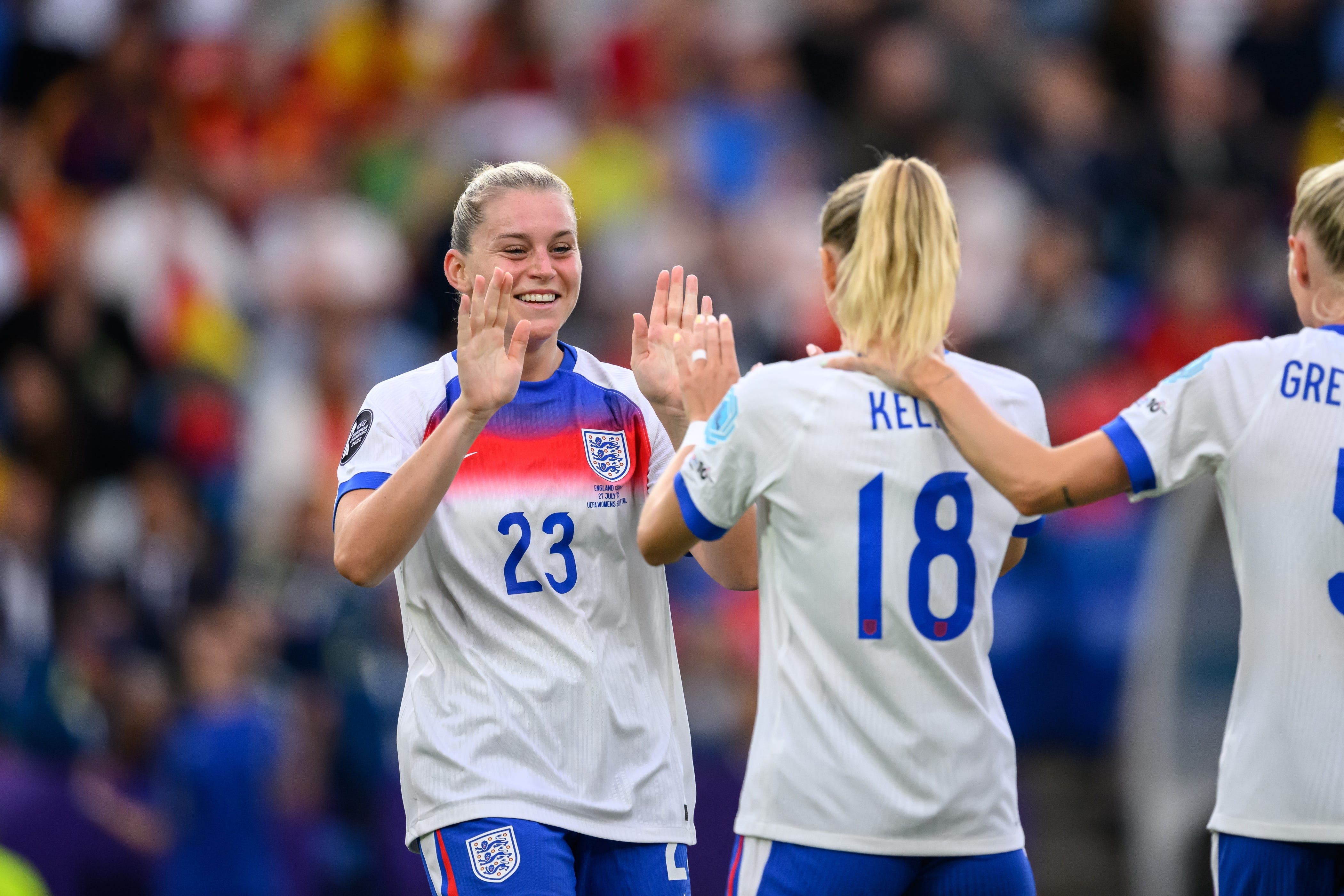
[Picture: Basel, 27 July 2025] Doing the nation proud. England’s women showed utter ruthlessness, resilience and grit to come from behind to win the European Football Championship in Switzerland this summer.
Getting a Grip
As if the recent result in Denmark is not bad enough, the fact is that WorldSkills UK, led by CEO Ben Blackledge, has presided over a worsening team performance for several years.
The size of the UK’s economy and the amount it spends on tertiary and technical education compared to competitor countries over the period point to a medal position that should be comfortably within the top 5.
The British team has never come anywhere near this benchmark, finishing tenth place in WorldSkills Lyon (2024). Supporters argue this was “still impressive” as the UK typically sends smaller competition teams than rival countries. However, in the latest skills competitions, countries like Switzerland sent only four more competitors than the UK, yet they finished ten places higher, in fifth place.
To critics, the poor medal tallies reveal a “poverty of ambition” among the UK organisers, as they describe results like Lyon's as “phenomenal”. In the press release related to the recent Herning performance, Blackledge couldn’t bring himself even to mention the UK’s poor EuroSkills medal position, saying:
“We are firmly on track to showcase the very best of UK skills on the global stage next year [World Skills Shanghai, 2026].”
Showcase? Is this what Prime Minister Sir Keir Starmer meant when he said some public leaders are “comfortable in the tepid bath of managed decline… that's been internalised as ‘don't say anything, don't try anything too ambitious, set targets that will happen anyway',” he added.
Of course, these skills competitions are about more than just medal tallies and country rank positions. And the blame here does not lie at the door of the UK’s brilliant young competitors, no more than the disaster at the Atlanta Games sat with our poorly prepared and under-resourced athletes.
Both government and industry need to take a hard look in the mirror.
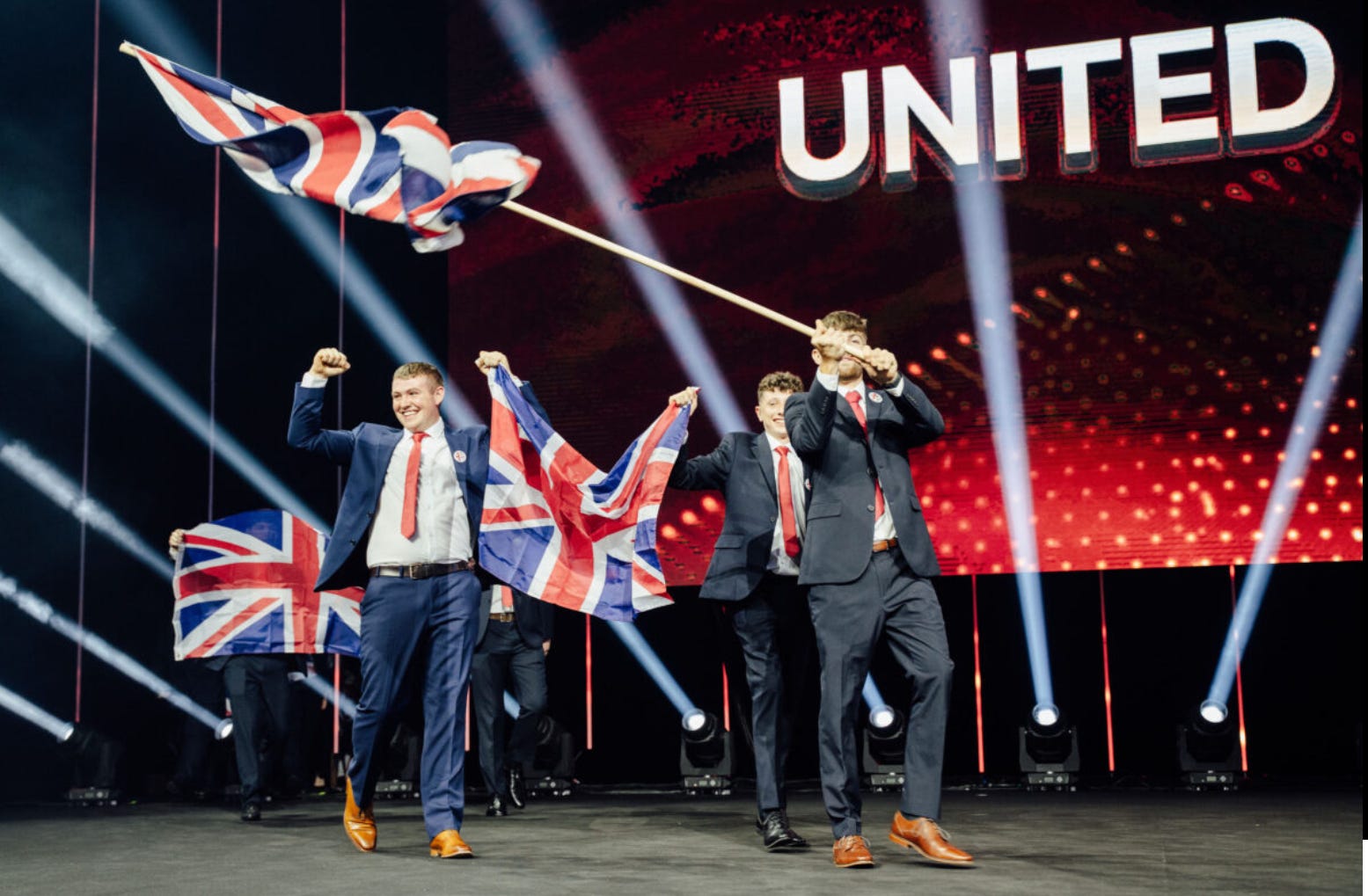
[Euroskills, Denmark 2025] The ‘Skills Olympics’ is a reflection of the quality and effectiveness of a country’s technical and vocational education systems.
What WorldSkills UK perhaps needs more of is the kind of leadership exemplified by the Lionesses’ coach, Sarina Wiegman. She’s been described by her contemporaries as someone who has “a ruthless desire to win”.
However, as with any publicly funded enterprise, including the senior individuals who step up to achieve great things and represent Britain on the world stage by accepting ‘gongs’ and board positions, there must also be appropriate scrutiny and proper accountability.
One informed source told me,
“WorldSkills UK should launch an independent enquiry about what is going wrong with their strategy and inform the skills minister that the results will be made public. That might change attitudes.”
The enquiry could address issues such as whether there is adequate resourcing, both public and private. And if the preparations for these competitions are at the required intensity, given the comparable efforts of competitor countries. Should the organisation, with finite resources, focus on better European success or go head-to-head with the Asian tigers?
Resources are a key issue. UK Sports receives £330 million per annum from the Exchequer and National Lottery. By comparison, WorldSkills UK receives a trifling amount of just over £5 million from the Department for Education’s £100 billion-plus annual budget. As an independent charity, WorldSkills UK is not only able to take a different stance from Ministers, but it can also raise money commercially and from sponsorship.
The charity’s current dependence on the state is unhealthy and may explain the reticence of board members to speak out. Industry clearly also needs to step up.
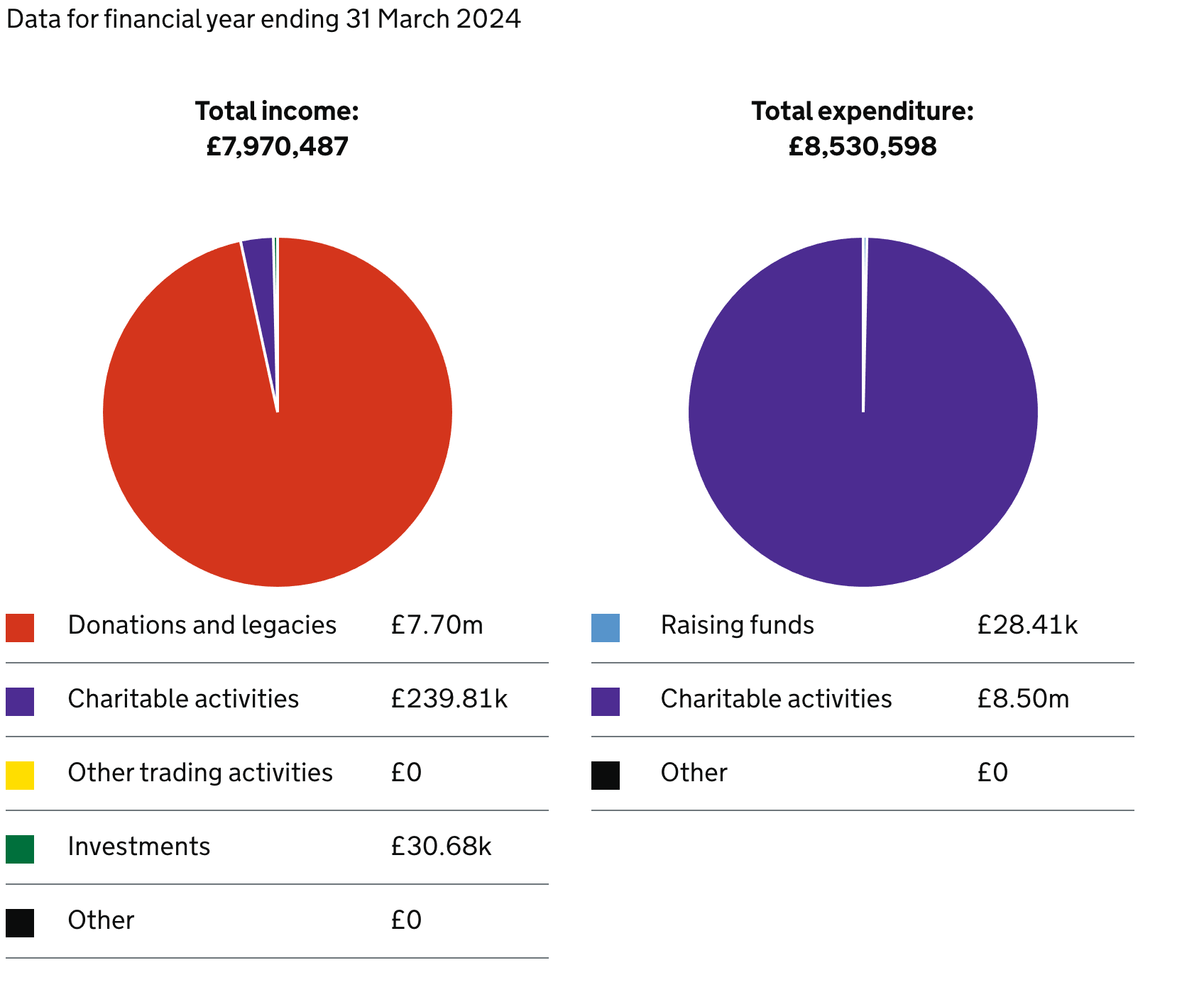
Figure 2. Income and Expenditure of WorldSkills UK, FY 2023/24
Source: Charity Commission website
Time for winners
Reviewing the organisation’s website and annual accounts, I could not find any evidence that the trustees have implemented a robust commercial strategy. The trustees’ annual report highlights that the DfE’s contribution now accounts for less than 50% of the organisation's total incoming resources (see Figure 2).
Still, the charity is heavily reliant on just four government grants across the UK. The latest statutory accounts, as of March 2023, show an organisation that has struggled to align its income with its costs. Employee costs have been increasing while programme costs in the grant areas have been reduced. There is no reason to believe this trend will not continue unless some turnaround plan is put in place. Some of the charity’s financial pressures have been offset by over £1 million in donations from external awarding bodies, such as NCFE. These funds are directed towards a “Centre of Excellence”.
Unfortunately, it was hardly a massive vote of confidence in the organisation, right on the eve of two major international skills competitions, when Treasury and DfE decided to cut the grant awarded to WorldSkills UK by a staggering 15% earlier this year, from a Labour government that came to office in July 2024, promising an end to austerity.
Predictably, it was positioned as an “efficiency drive” by officials, even though DfE’s budget is set to increase by £7.4 billion over the course of this Parliament, of which an additional £1.2 billion is earmarked for skills funding.
In other words, the funds to adequately support young British skills competitors are there in the central coffers. It is therefore either a political or a cack-handed bureaucratic decision to cut the DfE grant by £1 million a year to WorldSkills UK.
As a result, Blackledge has pulled out young people from competition categories in WorldSkills Shanghai next year. Fewer British competitors may mean further medal embarrassment is on the way.
As CEO, however, Blackledge, on £130,000 a year, had a choice: he could have cut staff headcount instead of competitors or redoubled efforts to attract more outside funding. According to LinkedIn's analysis of job functions, in the year-to-date, WorldSkills UK increased its central headcount working in human resources by 14% while cutting its roles in community outreach by 13%. The professional site has 144 registered members of the charity, although the latest statutory accounts list only 46 employees on payroll, supported by a similar number of volunteers.
For the scale of the task ahead, it is clear the organisation is both underfunded and lacks critical leadership capacity in key areas. Given the transfer of Skills England to the Department for Work and Pensions, there is a prima facie case for the contract management of these skills competitions to migrate with them.
Whatever, it’s time for everyone to get a grip. The UK’s economic standing in the world is at stake, as is British patriotic pride.
Anything less than a UK top 5 medal position in communist China next year will be seen by some as a disaster.
